
California's Do Not Call laws protect residents from unwanted telemarketing calls. Consumers can register on the state's list to prevent automated calls, with businesses required to obtain explicit consent. Violations carry heavy fines up to $10,000. Do Not Call Lawyers California assist in compliance, offering guidance on consent procedures, policy implementation, and staff training. Individuals and businesses should maintain detailed records and opt-out mechanisms to avoid legal consequences, including individual fines of up to $16,000 per violation. Specialized attorneys can help file complaints and pursue legal action against offending businesses.
In today's digital age, where communication takes many forms, understanding do not call violations remains paramount for California residents, especially those in San Diego. With countless businesses employing automated dialing systems, the lines between legitimate calls and unwanted telemarketing can blur. This article delves into the intricacies of do not call laws, specifically targeting San Diego's context, to equip citizens with knowledge. Recognizing the challenges posed by persistent violators, we explore effective strategies and emphasize the crucial role Do Not Call Lawyers California play in enforcing these regulations, ensuring peace of mind for residents who wish to opt-out of unsolicited calls.
Understanding Do Not Call Laws in California

In California, Do Not Call laws are designed to protect residents from unsolicited telephone solicitations, ensuring a certain level of privacy and peace. These regulations, enforced by the California Attorney General, can be complex, and understanding them is crucial for both businesses and individuals. The state's Do Not Call list, known as the California Consumer Do-Not-Call List, allows consumers to register their phone numbers to prevent automated calls from telemarketers and sales representatives. This list is a powerful tool, but it's not foolproof; violators face strict penalties, including fines up to $10,000 per call.
California law (Business and Professions Code § 2070 et seq.) prohibits telephone solicitors from calling numbers listed on the Do Not Call list. This includes automated calls, prerecorded messages, and live operators. Businesses must obtain explicit consent before initiating such calls, and even then, there are restrictions on frequency and timing. Notably, a business cannot call more than three times within 72 hours without prior express written consent. These rules aim to give consumers control over their contact information and protect them from intrusive marketing practices.
Do Not Call Lawyers California specialize in navigating these regulations and can offer guidance on compliance strategies. They assist businesses in developing proper consent- obtaining procedures, implementing Do Not Call policies, and training staff to respect consumer preferences. Furthermore, these legal experts help individuals resolve issues with persistent telemarketers, ensuring their rights are protected under the law. Given the severe consequences of violations, it's advisable for both businesses and consumers to seek professional advice tailored to California's unique Do Not Call framework.
What Happens When You Violate a Do Not Call Request?
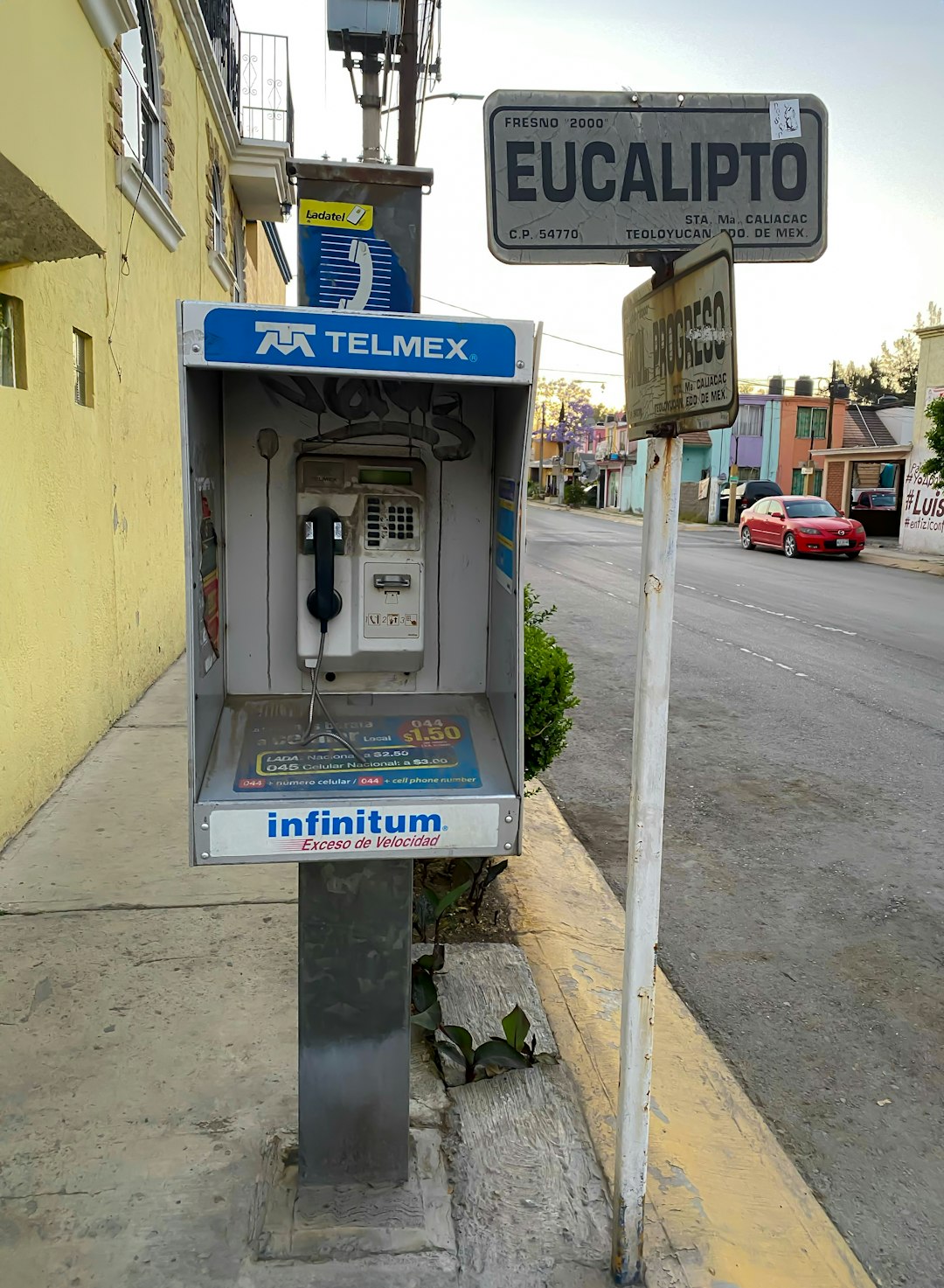
In California, a Do Not Call request is a serious matter. When an individual or business receives such a request from a consumer, it's crucial to understand the implications of ignoring or violating it. Failure to respect a Do Not Call request can lead to significant legal consequences for businesses and individuals alike. According to the Federal Trade Commission (FTC), companies that make telemarketing calls to numbers on the National Do Not Call Registry face penalties of up to $16,000 per violation. In California, where consumer protection laws are stringent, Do Not Call Lawyers California often play a pivotal role in navigating these legalities.
The consequences of violating a Do Not Call request can be severe. Consumers have the right to opt-out from unsolicited calls at any time, and businesses must adhere to this preference. A single violation can result in a consumer filing a complaint with the FTC or the California Attorney General's office. Moreover, individuals who repeatedly violate these requests may face fines and legal action from affected parties. For businesses, this can translate to damage to their reputation and substantial financial penalties. To mitigate these risks, it's essential to employ robust internal procedures to ensure compliance with Do Not Call regulations.
Do Not Call Lawyers California emphasize the importance of proactive measures to prevent such violations. This includes maintaining comprehensive records of consumer consent, implementing robust opt-out mechanisms, and regularly reviewing and updating telemarketing practices. Businesses should also educate their employees about the legal implications of Do Not Call violations and foster a culture of compliance. By taking these steps, businesses can not only avoid legal repercussions but also build trust with their customer base, ensuring long-term success in the competitive California market.
Your Rights & Resources: Seeking Legal Advice from Do Not Call Lawyers California

If you're a resident of San Diego and have experienced repeated unwanted calls from telemarketers or sales representatives, you may be a victim of Do Not Call violations. Understanding your rights under state and federal laws is crucial in navigating this issue effectively. One of the most robust resources available to you is seeking legal advice from Do Not Call Lawyers California. These experts specialize in protecting consumers' privacy rights and can offer strategic guidance tailored to California's specific regulations.
Do Not Call Lawyers California play a vital role in ensuring that businesses adhere to the Do Not Call Registry, maintained by the Federal Trade Commission (FTC). The registry prohibits telemarketers from calling telephone numbers on the list, which includes both landlines and cell phones of consumers who have opted-out of such calls. Violations can result in significant penalties for businesses, but more importantly, they offer relief to individuals affected by intrusive marketing practices. For instance, a recent study by the FTC revealed that nearly 20% of all consumer complaints involved unwanted telemarketing calls, highlighting the prevalence and impact of these violations.
When considering legal action due to Do Not Call violations, it's advisable to consult with attorneys who specialize in this area. They can assist you in filing a complaint with relevant authorities, gathering evidence of the violations, and potentially pursuing litigation if necessary. Do Not Call Lawyers California are well-versed in state laws, such as California's Consumer Legal Remedies Act (CLRA), which offers additional protections for consumers against unfair business practices. By engaging their services, you can ensure that your rights are protected while navigating this complex legal landscape.