
California consumers benefit from stringent laws against telemarketing abuses, including the Do Not Call Law and Unfair Business Practices Act. Documentation of interactions is key for legal action. A recent FTC study underscores the need for state-specific regulations. Consumers can file complaints with the California Attorney General's Office or consult Do Not Call Lawyers California, who specialize in navigating complex laws, documenting evidence, and taking action against persistent violators to protect privacy and peace.
In California, telemarketing calls are a common nuisance, with many residents facing persistent and unwanted sales pitches. This widespread issue has led to increased frustration and a need for effective solutions. Do Not Call Lawyers California understands the challenges faced by consumers and offers comprehensive guidance on filing complaints against telemarketers. By providing clear, concise steps, we empower Californians to take control of their phone lines and protect their privacy. Our expertise lies in navigating the state’s consumer protection laws, ensuring that your rights are upheld and unwanted calls are brought to an end.
Understanding Your Rights Against Telemarketers in California

In California, consumers have robust rights when it comes to dealing with telemarketers. The state has stringent laws in place to protect residents from aggressive or deceptive sales practices. Understanding these rights is crucial when considering how to file a complaint against a telemarketer. The California Do Not Call Law, for instance, prohibits telemarketers from making phone calls to individuals who have registered on the state’s Do Not Call list. This law not only restricts the number of unwanted calls but also provides a legal avenue for consumers to take action if violated.
Moreover, California’s Unfair Business Practices Act (UBPA) offers additional protection by prohibiting misleading or deceptive business practices. If a telemarketer makes false statements about a product or service, fails to disclose material information, or employs high-pressure sales tactics, consumers can file a complaint with the California Attorney General’s Office. Do Not Call Lawyers California often advise clients to document all interactions with telemarketers, including dates, times, and detailed descriptions of any alleged violations. This documentation is invaluable when pursuing legal action.
For instance, a recent study by the Federal Trade Commission (FTC) revealed that nearly 70% of consumers in California received at least one unwanted telemarketing call per week. While national Do Not Call laws exist, state-specific regulations offer more robust protection. Consumers who believe their rights have been violated should not hesitate to file a complaint with the California Attorney General’s Office or seek legal counsel from reputable firms specializing in Do Not Call law, such as Do Not Call Lawyers California. Taking proactive measures ensures that both individual consumers and the state can hold telemarketers accountable for abusive practices.
The Complaint Process: Step-by-Step Guide for Consumers
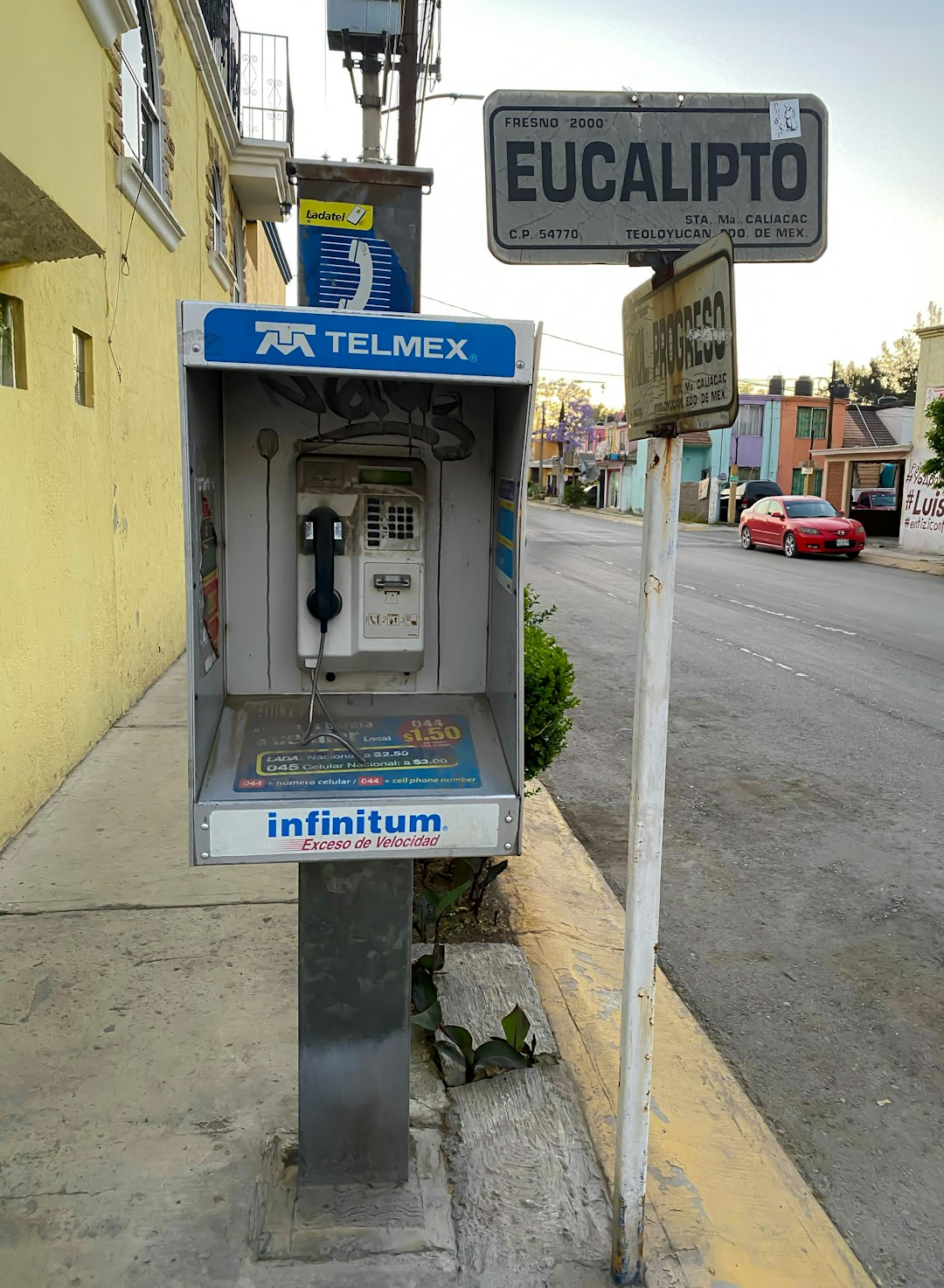
Filing a complaint against telemarketers in California involves a clear, structured process designed to protect consumers from unwanted calls. The first step is to gather all relevant information about the caller, including their phone number, any recorded conversations, and the dates and times of the calls. Documentation is crucial; save any text messages, emails, or recordings as these can serve as evidence. Once armed with this information, consumers can initiate the complaint process through various channels.
The California Department of Consumer Affairs (DCA) offers a straightforward online form for filing telemarketing complaints. Consumers simply need to fill out the form with their personal details and the specifics of the unwanted calls. Alternatively, Do Not Call Lawyers California recommends contacting your local law enforcement agency or the Federal Trade Commission (FTC). Each agency has its own procedures, but all aim to investigate and resolve consumer complaints effectively. For instance, the FTC can take action against companies that violate Do Not Call rules, resulting in fines and cessation of harassing calls.
Upon submission, the relevant authorities will review your complaint. If valid, they may contact the telemarketer directly or initiate legal proceedings. It’s important to note that while these steps are designed to deter unwanted calls, there’s no guarantee immediate action will be taken. Nonetheless, each complaint contributes to a broader effort to enforce consumer protections. For instance, data from the DCA shows that in 2021, over 90% of complaints received regarding telemarketing were for unsolicited phone calls, underscoring the need for consumers to stand up and protect their privacy.
To enhance your complaint’s impact, Do Not Call Lawyers California advises providing detailed accounts of the harassment. This includes not only the frequency of calls but also any aggressive or misleading tactics employed by the telemarketer. By following these steps and providing comprehensive information, consumers can play a vital role in curbing unwanted telemarketing practices. Remember, every complaint matters and contributes to a more robust legal landscape that protects consumer rights.
Engaging Do Not Call Lawyers California: When to Seek Legal Aid

In California, unwanted telemarketing calls are not just a nuisance; they can be a violation of state laws designed to protect consumers’ privacy and peace. When conventional methods of stopping these calls prove ineffective, engaging Do Not Call Lawyers California becomes an essential step in safeguarding your rights. These legal professionals specialize in navigating the intricate regulations surrounding telemarketing practices and can offer tailored solutions.
One of the primary reasons to consult Do Not Call Lawyers California is when you’ve exhausted other options. If you’ve registered on the state’s Do Not Call list but still receive persistent calls, it indicates a potential violation. According to the California Public Utilities Commission (CPUC), over 20 million Californians are listed on the Do Not Call list, and despite these efforts, thousands of complaints about nuisance calls are received annually. In such cases, legal intervention can be crucial. These lawyers will not only help you document evidence but also take necessary actions to stop the telemarketers from contacting you again.
Additionally, seeking legal aid becomes imperative when dealing with aggressive or fraudulent telemarketing tactics. Recent studies show that sophisticated scammers often use automated dialing systems and fake caller IDs to evade traditional blocking methods. Do Not Call Lawyers California are equipped to handle such sophisticated cases, utilizing their expertise in telecommunications law to ensure justice. They can guide you through the legal process, helping to obtain injunctions or file lawsuits against persistent or malicious telemarketers, ultimately revolutionizing your experience with unwanted calls.