Understanding Do-Not-Call Laws in California
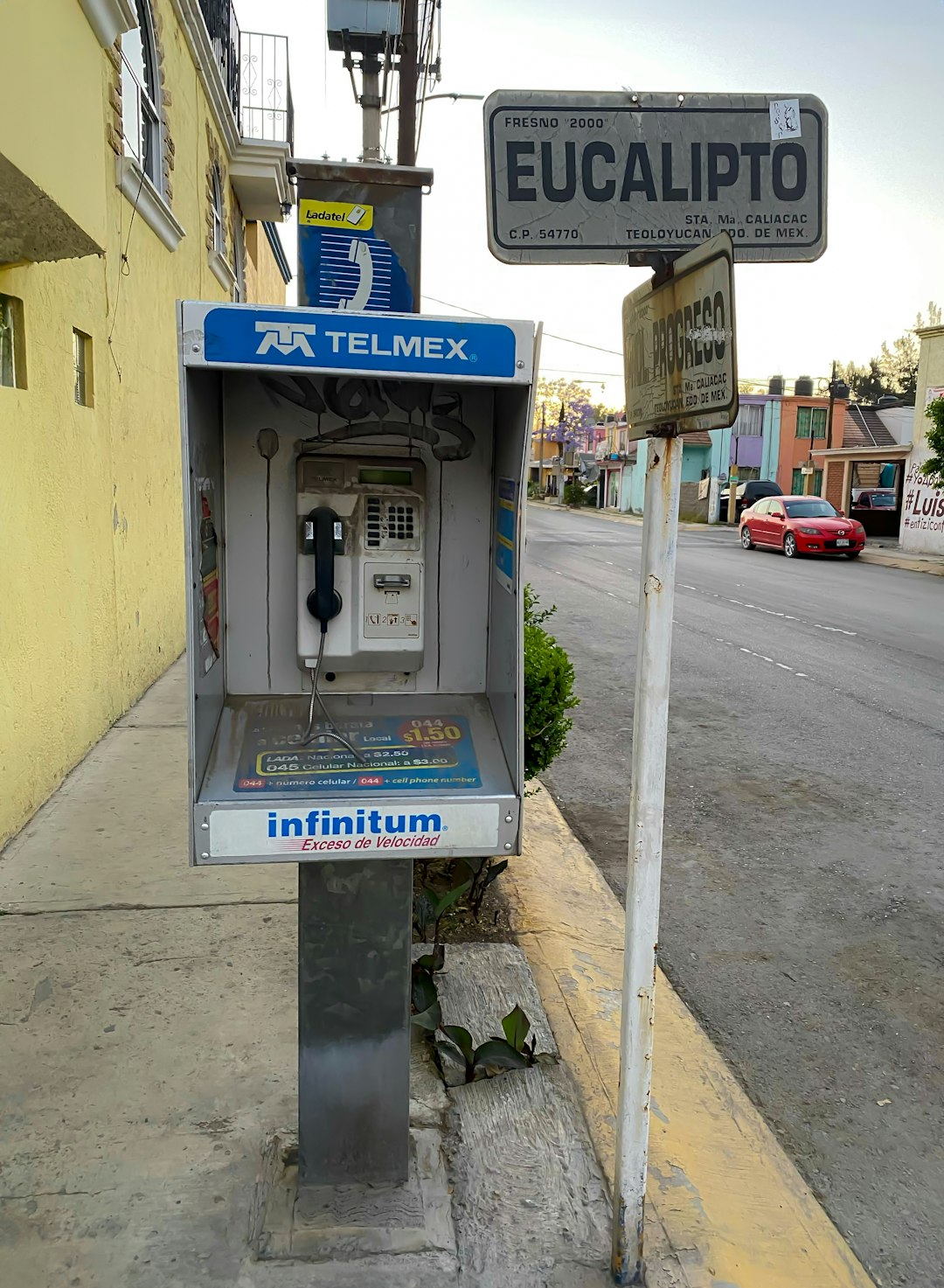
Do-not-call laws in California are a set of regulations designed to protect consumers from unwanted telemarketing calls and robocalls. Enacted under the Federal Trade Commission's (FTC) National Do Not Call Registry and complemented by the California Do Not Call Law, these laws give individuals the right to opt-out of receiving sales calls at their residential telephone numbers. This article delves into the intricacies of these laws, their historical context, and their role within the broader landscape of consumer protection.
Global Impact and Trends
The impact of do-not-call laws extends beyond California's borders, influencing global telecommunication practices. Across the world, countries have implemented similar regulations to safeguard consumer privacy and prevent nuisance calls. Key trends include the rise of robocalls, which has led to stricter enforcement and technological innovations in call authentication and blocking. These trends underscore the importance of international cooperation in creating a harmonized approach to telemarketing restrictions.
Economic Considerations
The economic implications of do-not-call laws are multifaceted, affecting not only consumers but also businesses that rely on phone marketing for sales. Market dynamics shift as companies adapt to these regulations, leading to changes in investment patterns and strategies to ensure compliance without compromising on revenue generation. The role of do-not-call laws in economic systems is a testament to the balance between consumer rights and commercial interests.
Technological Advancements
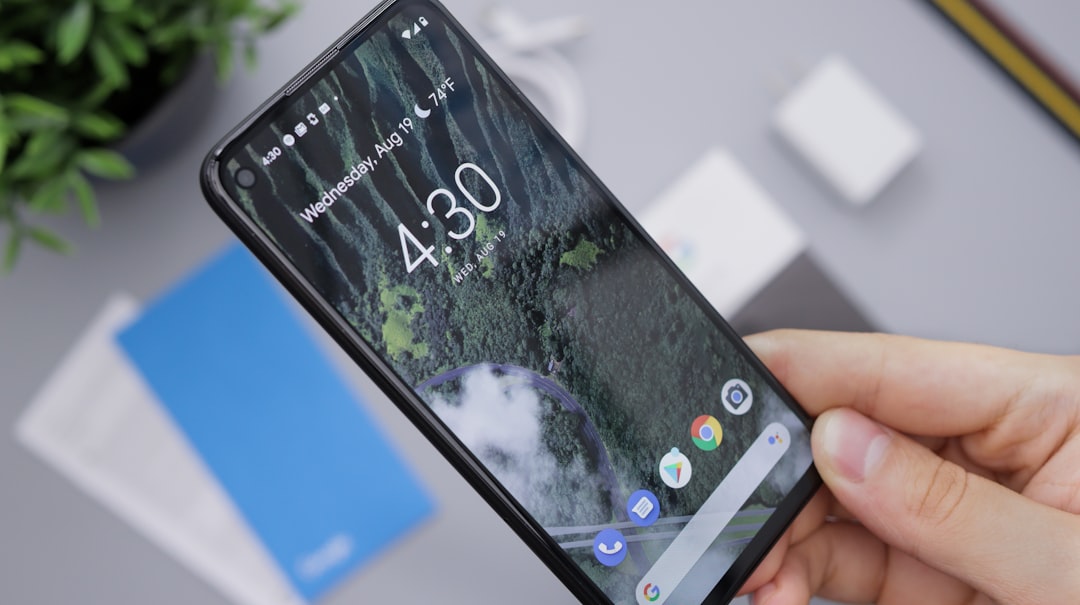
Advancements in technology have significantly impacted the enforcement of do-not-call laws. Innovations such as caller ID verification, call-blocking software, and AI-driven analytics are crucial tools in combating illegal robocalls. These technologies not only aid in adhering to legal requirements but also enhance consumer trust and satisfaction. Future potential includes even more sophisticated solutions that can adapt to new threats and improve the overall effectiveness of do-not-call regulations.
Policy and Regulation
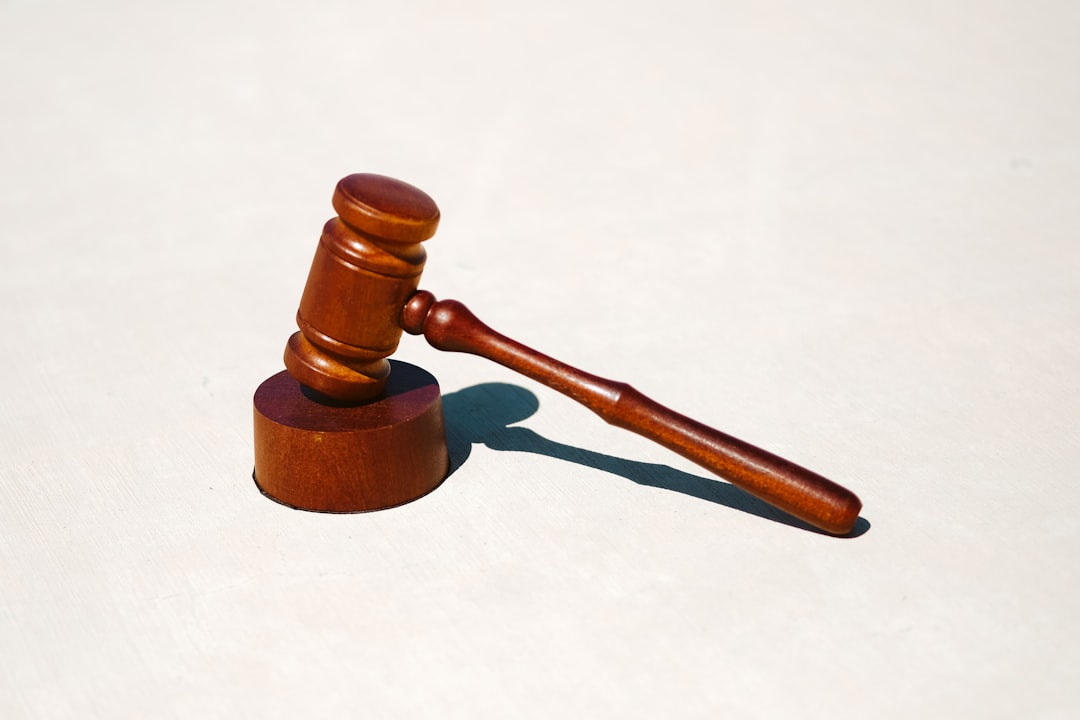
The policy and regulatory framework governing do-not-call laws is complex, involving federal and state legislation. Key policies include the Telemarketing Sales Rule (TSR) by the FTC and the California Do Not Call Law. These legislative measures set clear guidelines for businesses, define enforceable standards, and establish penalties for non-compliance. The regulatory environment is dynamic, with ongoing updates to adapt to technological advancements and evolving consumer expectations.
Challenges and Criticisms
Despite their intentions, do-not-call laws face challenges such as loopholes exploited by unscrupulous marketers and the sheer volume of illegal robocalls. Critics argue that these regulations may inadvertently impact legitimate businesses while doing little to curb spam calls. Solutions to these issues involve strengthening enforcement mechanisms, improving coordination between regulatory bodies, and investing in technology that can detect and block illegal calls more effectively.
Case Studies
Several case studies illustrate the successful implementation of do-not-call laws in California. One such example is a major telecommunications company that developed a call-blocking service compliant with these laws, significantly reducing unwanted calls for its subscribers. Lessons learned from these cases highlight the importance of robust enforcement and continuous innovation in compliance technologies.
Future Prospects
The future outlook for do-not-call laws in California is one of evolution and adaptation. Potential growth areas include more sophisticated call-blocking technologies, international cooperation on robocall prevention, and integration with emerging platforms like VoIP and messaging apps. Emerging trends point to a shift towards proactive consumer consent models, and strategic considerations focus on maintaining the balance between consumer rights and business needs.
Conclusion
Do-not-call laws in California serve as a cornerstone in protecting consumers from unwanted telemarketing calls. This article has explored their historical context, global impact, economic implications, technological advancements, policy frameworks, challenges, and future prospects. The importance of these laws is evident in their role as a safeguard for consumer privacy and a tool for fostering trust in the marketplace.
FAQ Section
-
What are do-not-call laws?
Do-not-call laws are regulations that allow consumers to opt-out of receiving unsolicited sales calls on their residential phone lines.
-
Are there different types of do-not-call lists?
Yes, there is a national Do Not Call Registry managed by the FTC and state-specific do-not-call laws, like California's, which may offer additional protections.
-
How effective are do-not-call laws in blocking telemarketing calls?
While they significantly reduce the number of unwanted calls, no system is entirely foolproof due to loopholes and the persistence of scamm artists.
-
Can businesses still call consumers after they have registered on the do-not-call list?
Businesses may still call for purposes such as customer service, survey research, or charitable organizations, provided they comply with the rules set by the FTC and state regulations.
-
What are the penalties for violating do-not-call laws?
Violators can face substantial fines and legal action from both federal and state authorities. The exact penalty depends on the severity of the offense and the number of violations.
This comprehensive overview of do-not-call laws in California and their broader implications provides a clear understanding of their significance and the efforts to maintain consumer protections in an ever-evolving telecommunications landscape.
January 21, 2026
Do Not Call Laws California Expert
California's stringent Spam Call laws mandate prior consent for automated calls and offer robust protections. Businesses must implement opt-out mechanisms, conduct regular audits with a Spam Call law firm California, and adhere to strict regulations to avoid substantial damages. San Francisco r.......
Read more →
January 19, 2026
Do Not Call Laws California Expert
Robocalls are a major privacy concern in California, leading to strict Do Not Call Laws. Businesses must obtain consent for marketing calls, with penalties for violations. Consumers can register on the state's list, report robocalls, and consult a lawyer specializing in Do Not Call Laws Califor.......
Read more →
January 18, 2026
Do Not Call Laws California Expert
California's Spam Call laws strictly regulate caller ID fraud and spoofing, with San Diego leading in enforcement. Businesses must implement accurate caller identification systems, stay updated, and train employees to avoid fines and legal action. Recent cases highlight the growing concern of s.......
Read more →
January 15, 2026
Do Not Call Laws California Expert
California's Do Not Call Laws, rigorously enforced in San Diego courts, protect consumers from unwanted telemarketing by mandating explicit consent. Businesses must comply with TCPA regulations to avoid severe penalties. Key aspects include verifying consent and maintaining call records. Consum.......
Read more →
January 13, 2026
Do Not Call Laws California Expert
Bakersfield residents can protect themselves from unwanted telemarketing calls through California's strict Do Not Call Laws. Key actions include registering with the National Do Not Call Registry, maintaining call logs for evidence, filing complaints with authorities like CPUC or FTC, and seeki.......
Read more →
January 11, 2026
Do Not Call Laws California Expert
California's Do Not Call Law protects residents from spam calls, with penalties up to $50,000 per call. The state law and federal regulations, like the TCFA, mandate explicit consent for telemarketing. Individuals can register on the National Do Not Call Registry. Spam Call law firm California.......
Read more →
January 10, 2026
Do Not Call Laws California Expert
California's Do Not Call Registry is a mandatory program for Riverside businesses making over 500 calls monthly or with 25+ customers. Enrollment offers legal protection, but immediate approval isn't guaranteed. Businesses must implement internal policies, obtain explicit consent, and resp.......
Read more →
January 7, 2026
Do Not Call Laws California Expert
California consumers benefit from stringent laws against telemarketing abuses, including the Do Not Call Law and Unfair Business Practices Act. Documentation of interactions is key for legal action. A recent FTC study underscores the need for state-specific regulations. Consumers can file complaints.......
Read more →
January 5, 2026
Do Not Call Laws California Expert
California's Do Not Call laws protect residents from unwanted telemarketing calls. Consumers can register on the state's list to prevent automated calls, with businesses required to obtain explicit consent. Violations carry heavy fines up to $10,000. Do Not Call Lawyers California assist i.......
Read more →
January 3, 2026
Do Not Call Laws California Expert
California's Spam Call law, part of the CLRA, strictly regulates telemarketing, prioritizing consumer privacy. The law distinguishes between legitimate calls and spam, with explicit consent required for the latter across channels like text messages and social media. Compliance is crucial for bu.......
Read more →